Cemetery [11-H-5] was located on a small rise of fossil alluvium in the broad alluvial plain at the north end of Saras West, c.350m from the river bank. It was identified in January 1965. The surface was sanded over with c.25-30 cm of blown sand, littered with black boulder stones (‘black mica schist’), suggestive of circular superstructures c.2-3m in diameter. In some areas there was many small, smooth white pebbles of the type also found on graves of this period.


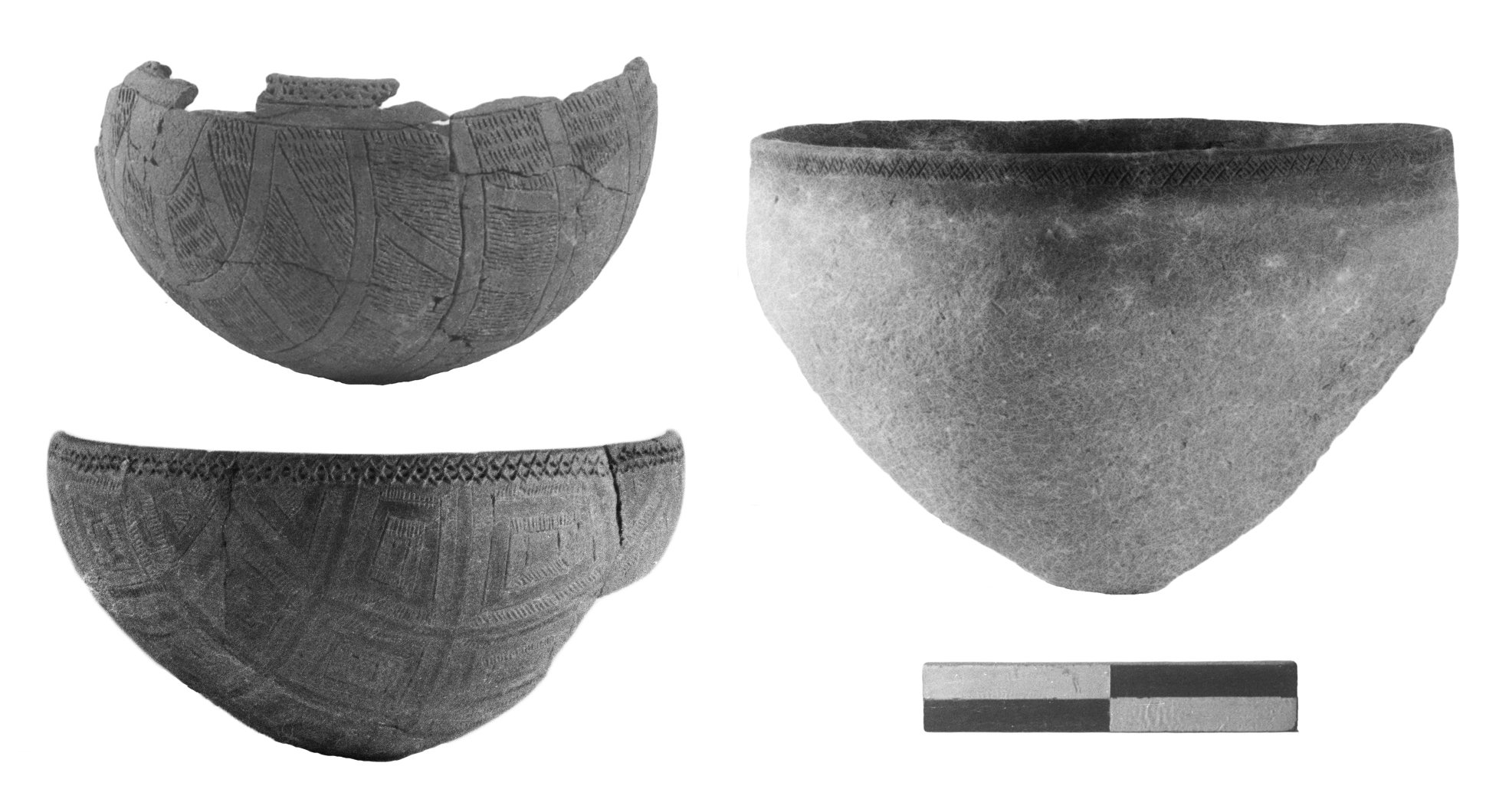
Initially, 11 graves were excavated in January 1965 (by A.J. Mills). Subsequently the site was fully excavated during February 1965 (by H.-Å. Nordström). Surface clearance identified the presence of at least 69 graves. Only about half of the heavily disturbed burials, many of which contained no traces of the original burials, were more fully recorded. Where burials survived most of these were contracted, lying on the right side, head to east. Most graves were more or less orientated east-west, mostly quite small and oval, if of variable depth, some deep. Leather pillows seem to have been used in some of the graves, but no traces of other body wrappings were found. The pottery from this site was identified as ‘Early C-Group’ and no later C-Group/Kerma material was found. Several more-or-less complete RP-BT bowls were recovered from disturbed grave fills while a few were found, inverted, on the ground surface beside the grave superstructures.

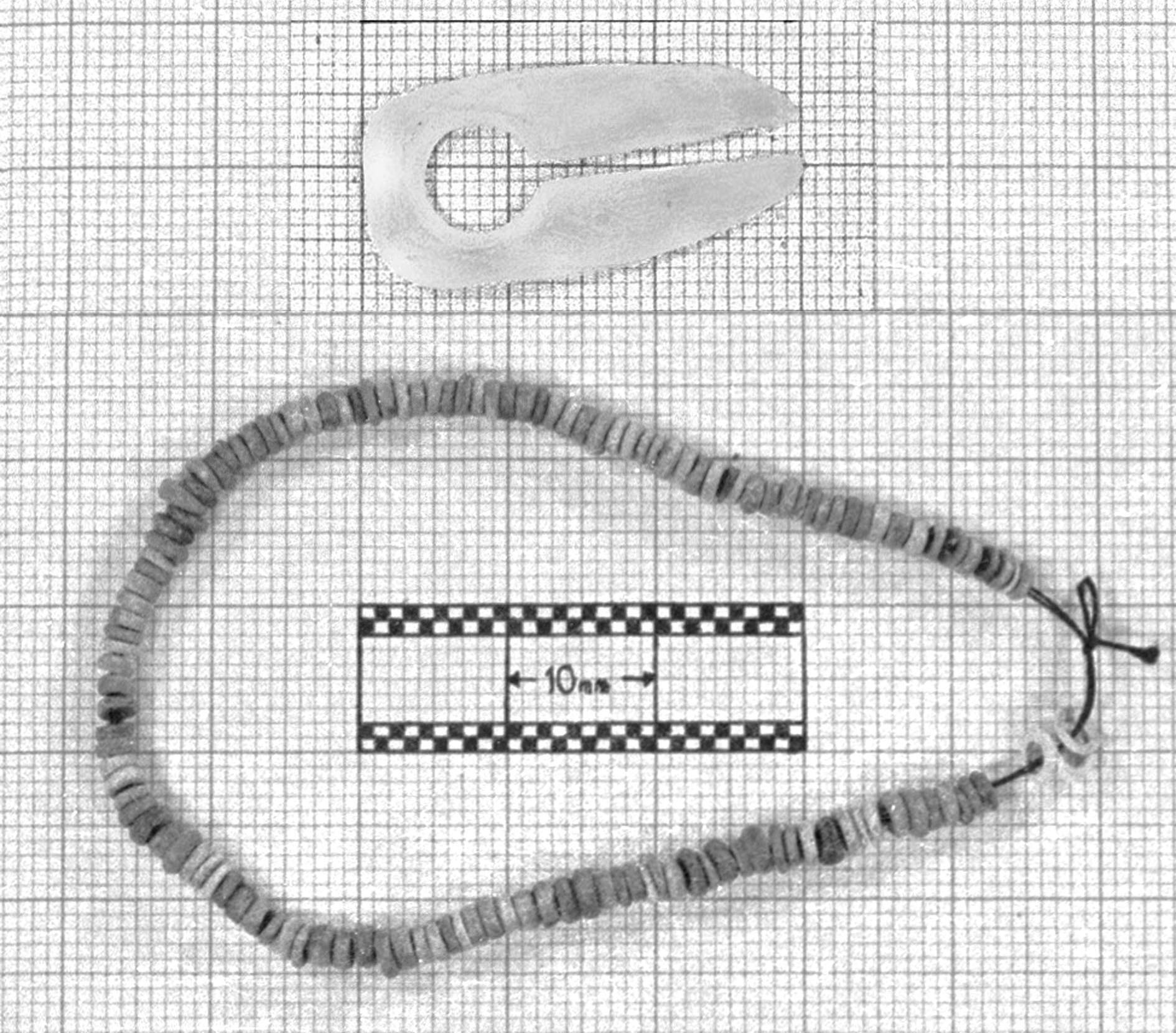
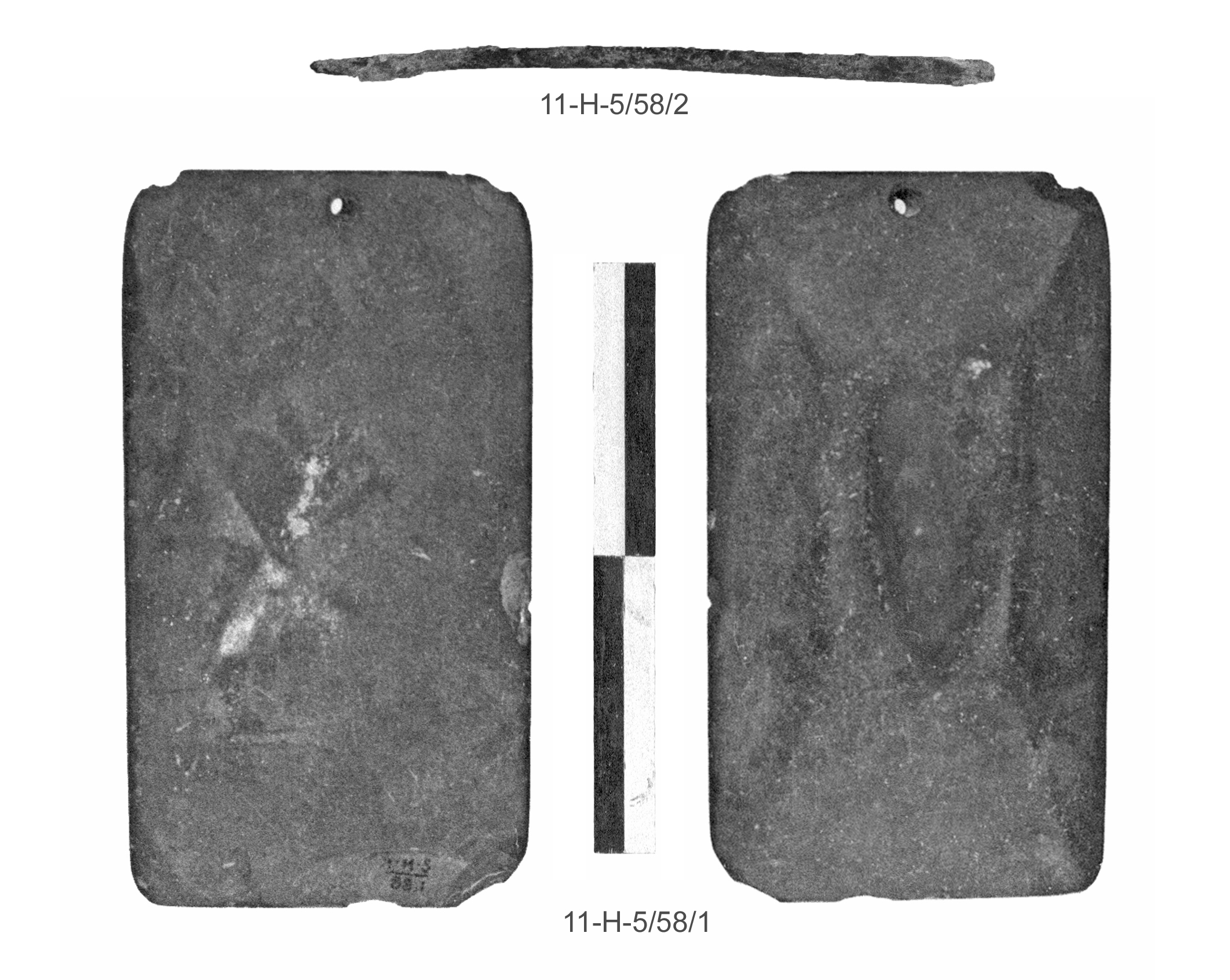
An estimated 15% of the collected sherds was imported Egyptian pottery. If most of the pottery was derived from surface deposits, large numbers of beads as well as other adornments were found within the thoroughly robbed graves. The few other finds included fragments of two small stone vessels, as well as a stone palette and copper alloy kohl-stick, were also recovered.

 ASSN 1963-1969